
 Menu
Menu
- Lenses - Multifocal(9)
- Lenses per pcs.(8)
- Lenses - Daily Disposable(16)
- Lenses - 2 Week Disposable(3)
- Lenses - Monthly Disposable(23)
- Lenses - Night & Day Wear(7)
- Lenses - Toric/Astigmatism(11)
- Lenes - Quarterly Disposable(13)
- Lenses - Coloured(19)
- Soft Lens Rewetting Drops(5)
- All Solutions(11)
- Single pcs(0)
- Promotions / Promotional Kits(9)
- Lenses - for Pieces(4)
- New products
- Products on sale
Producers
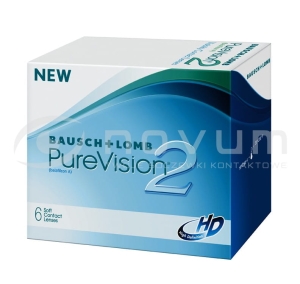
19,99 zł
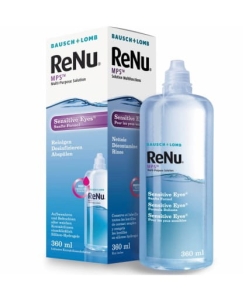
34,99 zł
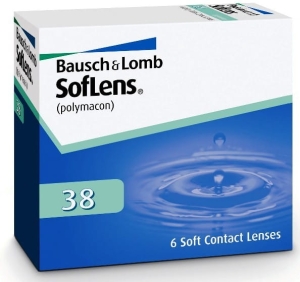
69,99 zł
What you should know about contact lenses
What you should know about contact lenses
Questions about the use of contact lenses
What to remember when using contact lenses?
Follow the instructions of your ophthalmologist for wearing, replacement and care of the lens and follow all the instructions in the instructions and labels.
Are there any hazards associated with wearing contact lenses?
When wearing contact lenses, you rarely have serious eye problems to avoid them. It is important to follow the specialist's instructions on proper wearing and care of contact lenses. Here are some important rules: - Contact lenses for daily use should not be worn during sleep. - Avoid long-term wear during the day. - Regularly remove the lenses to decontaminate and clean them. - Replace the lens as recommended.
Who should not wear contact lenses?
You can only decide if you can wear contact lenses. If you have lenses you should not wear them during eye infections or if you experience excessive discomfort, tear your eyes, have vision problems, have red eyes or other eye problems. If you experience any of these symptoms, contact a specialist immediately.
What to do when irritation occurs?
You may experience the following problems: burning and itching of the eyes (irritation), decreased comfort from the time of first insertion of the lens, impression of foreign body in the eye (foreign body, scratching), excessive hydration (eye irritation), unusual ocular secretions, Visual acuity (weak focus), hazy eyes (photophobia) or dry eyes. If you find one of the above: immediately remove contact lenses. If after removing the lens discomfort or problem disappears -look for the lenses. If you find that the lenses are damaged in any way, do not put them back. Place the lenses in the storage box and contact the ophthalmologist. If you notice pollen, eyelash, or other foreign matter on the lens, the problem after removing the glasses has disappeared and the glasses themselves seem to be undamaged, clean them thoroughly, rinse and rinse again. If the problem persists, immediately remove the lens and contact an ophthalmologist. If any of the above symptoms appear, it may indicate a serious condition such as infection, corneal ulcer, neovascularization, iritis. You should go to the doctor immediately and diagnose the problem and take immediate treatment to avoid serious damage to the eye.
What to remember when using contact lens care fluid?
Here are some rules for every contact lens fluid available on the market:
- never use the same fluid for the second time
- Close the bottle when you are not using it
- Keep out of the reach of children
- store at room temperature
- wear before the end of the expiry date, which is placed on the container and carton
- Never touch the tip of the dropper and any surface
- Never transfer liquid to other containers or bottles
- protect from sunlight
- do not mix different contact lens care fluids
- It is recommended to replace the container for a new one after 3 months of use so that it will not get dirty and remain free from bacteria.
Can you swim with contact lenses? This is not advisable because there are bacteria in the water that can contaminate the lenses and cause infection. If you are already swimming in lenses, you should wear swim goggles and after swimming, immediately disinfect the lenses. Can I wear sportswear when I wear contact lenses? Contact lenses are ideal for athletes. They provide a protective function, provide a natural improvement of vision and enlarge peripheral vision. Wearing lenses you do not have to worry about broken frames or a broken lens. In addition, contact lenses do not fog, they do not slide out and do not fall. However, there are sports disciplines that may require the use of protective goggles. If in doubt, ask your specialist. Can I wear lenses of someone else? No. Wearing contact lenses prescribed for someone else can result in serious eye infections. Use only the lenses that have been prescribed for you. Never let anyone else wear your lenses. What if I fall asleep in contact lenses? You should always remove your lenses before going to bed (for hydrogel lenses). If you happen to fall asleep in the lenses then take them off as soon as you wake up remembering to disinfect them and rinse them with contact lens fluid. Before removing the lenses it would be good to moisturize by applying a few drops of liquid to the eye. Can I wear contact lenses if I am allergic? Yes. However, it may happen that you will feel discomfort during the period of severe allergy symptoms. If so, contact your specialist and follow its directions.Some specialists suggest that in this case reduce the time to wear lenses or stop wearing until the allergy ceases. Thorough and frequent lens rinsing can reduce discomfort. When wearing contact lenses, never use eye drops that are not intended for lenses.
Can wearing contact lenses use makeup?
Yes. But remember not to dirty the lens. It is a good idea to wear a lens before applying eye shadow, eyeliner, or mascara.
Inserting and removing lenses
Always wash your hands thoroughly with mild soap and dry thoroughly before handling contact lenses. Always assume / remove the same lens first to avoid confusion with the right and left eye.
Inserting lenses:
Before applying a lens to the eye rinse it in a multifunction lens fluid. You do not have to do this if you use one day lenses. Place the lens on the tip of your index finger (right hand if you are right-handed and left-hand if left-handed). Make sure the lens is turned to the right side (the edges should be rolled up and not rolled). Look straight ahead. Lower the lower eyelid, pull down the middle finger of the same hand. Raise your upper eyelid with your index finger of the other hand and look up. Gently place the lens on the lower whites of the eye. Withdraw your index finger and lower your eyelid. Look down and close your eyes for a moment.
The lens itself is centered on the eye, you just blink several times.If you experience discomfort, remove the lens and watch for it to be damaged. If it is, throw it out. If not, rinse with more care liquid and reapply.Repeat for the other eye.
Removing the lenses:
Just before taking the lenses you can use special moisturizing drops for contact lenses. One or two drops applied to each eye moisturize the lenses and make them easier to take. Look up and the middle finger of the dominant hand (right-hand for right-handed people and right-handed left-handed people) pull down your lower eyelid.Place your index finger on the bottom edge of the lens, then slide the lens towards the lower eye.Squeeze the lens gently with your index finger and thumb and with gentle movement remove the eye. Repeat for the other eye.If the edges of the lens are sticky, apply a few drops of multifunctional lens rinse to the lens and gently rub the edges so that the edges are peeling.Always handle lenses in a delicate manner.
Types of contact lenses
Contact lenses can be divided into different types according to their use, eye defects that correct, wear mode or duration of use.
Division of lenses for use:
Corrective lenses - are used to correct an inherited or acquired visual defect. Among lenses we distinguish lenses: one day, week, two weeks, monthly, quarterly (withdrawn from the market) and annual (withdrawn from the market).Therapeutic lenses - (therapeutic) are used as medication carriers or dressings for various diseases or injuries of the cornea, eg as protection against external factors. This group also includes hard lenses, also used for correction of vision in patients with corneal cones.Cosmetic lenses - designed to change the color of the iris of the eye. Cosmetic lenses are available in the plano version without any correction of sight defects but often are also corrective lenses.
Division of correction lenses due to type of correction:
- spherical lenses - correct farsightedness or nearsightedness
- aspherical lenses - correct farsightedness or nearsightedness and low astigmatism
- toric lenses - correct farsightedness or nearsightedness and astigmatism
- progressive - correct old age
Division of contact lenses due to wear mode:
- lenses worn on a daily basis, worn for 6 - 14 hours a day by day taken overnight
- lenses worn continuously, worn continuously during the day and at night
- lenses worn in flexible mode, worn in day mode and exceptionally in continuous mode.
Division of lenses due to time of use:
One day lenses are designed to be worn on a one-day basis. Every day a new pair of lenses is assumed. Lenses do not require cleaning and care. The use of disposable lenses significantly reduces the risk of infection, inflammation and allergic eye reactions. Studies have shown that the use of day lenses is a safer option compared to the use of longer lenses. Daytime lenses are ideal for people with sensitive eyes, using occasional lenses and for people who practice lenses. Two-week lenses are designed to be worn on a daily basis for 14 days (removable at night). Some of these lenses can also be used continuously for 7 days and nights. Frequent replacement of new lenses protects eyes from contamination and harmful microorganisms better than long-life lenses. With more safety and comfort, the two-week lenses are gaining in popularity among lenses professionals and users. Monthly lenses are designed to be worn for 30 days without losing their physical properties. Depending on the model, lenses can be used in day mode (removable at night) or continuous day and night. Monthly contact lenses used continuously throughout the day and night do not require daily cleaning and care. The relatively short period of replacement of new lenses guarantees a good level of security and the modern materials of the monthly lenses provide comfort and high oxygen permeability to the eye. Quarterly lenses are designed to be worn for 90 days in day mode (removable at night) without losing their physical properties. The 3 month lenses, due to the relatively long period of replacement, guarantee a good level of eye safety while maintaining all cleaning and disinfection guidelines according to the specialist's instructions. The use of quarterly lenses is economical. Annual lenses intended for use throughout the year on a daily basis. At present, these lenses as the old-fashioned lenses and causing the most complications are practically completely withdrawn from the market.
Contact lenses care
Correct contact lens care is an essential part of your eye health and comfort, follow these guidelines, and consult your specialist.
Lens preparation:
Wash your hands and dry them thoroughly. Just before taking the lenses you can use special moisturizing drops for contact lenses. One or two drops applied to each eye moisturize the lenses and make them easier to take.Before you remove the contact lenses, rinse thoroughly with the multifunctional liquid for lens care of the lens case. Remove the lens according to the procedure for removing the lens from the eye. First remove and place the lenses always from the same eye to avoid confusion with the right and left eye. Cleaning the lenses: If you use one day lenses, you do not need to clean them - after removing the lens, throw it into the bin.If you use contact lenses intended for daytime wear after removing them at the end of the day, they must be cleaned, disinfected and stored in a lens holder. If you are using continuous lens wear that stays on your eye all the time, even during sleep, you can remove, clean, disinfect and re-apply. If you put them in a lens holder, they should also be cleaned and disinfected before use (just like lenses intended for daytime wear). After removing the lens, place it in the middle of the other hand with the concave side of the lens up. Pour a few drops of liquid into the lens and into the hand. Hold the lens gently with the index finger of the other hand for about half a minute. It is important to rub it up and down without performing any circular movements that can damage the lens. Rubbing will remove impurities and deposits from the lens. Roll up the lens to the other side and repeat the same steps. Then rinse the lens with plenty of liquid holding it in your toes and place it in the lens holder. Repeat the same procedure by cleaning the second lens. If you have a special NO RUB fluid (without rubbing), rinse only the lens from each side and place it in the lens container.
Storage of lenses:
Fill both containers of the contact lens container fully. Make sure that each contact lens is fully submerged in the lens fluid. Thoroughly tighten the lid of the container. The disinfection process should last for as long as it is recommended in the information leaflet accompanying the fluid. Usually it is a minimum of 4-6 hours. Remember to always clean and dry between the individual disinfectants of the lens case. Use a new toothbrush or cotton cloth to clean the lens case and fresh lens fluid. After removing the lens and cleaning the lens container, flush it with plenty of multifunctional lens fluid. Before emptying the lid of the empty container always dry the lens container first. Replace as often as possible the lenses, at least every 3 months.
Remember that:
If you do not wear lenses everyday, and only occasionally you must wash and disinfect the lenses in the evening the day before the day of use. Some medications may interfere with the comfort of wearing contact lenses. If you take any medication, please report it to your specialist and get advice. Use only fresh and sterile solutions for cleaning and storing your lenses. Do not reuse the fluid once you have used it. Never use tap water or even mineral water to clean the container. Never put lenses into your mouth or use moisturizing lenses that are not recommended by your specialist. Check the expiration date of the lens fluid and the expiration date of the lenses themselves before use. The usefulness of the lens fluid usually drops to 3 months after its opening. Do not use liquid after this date. Check in the package leaflet and on the packaging of the liquid for as long as it is suitable for use after opening. Do not touch the opening of the multifunctional liquid bottle after opening it, it may contaminate the solution in the bottle. Do not pour into the container several types of care liquids. Never use a lens longer than the manufacturer recommends.
Newsletter
Login